The Role of Logistics Documentation in Supply Chains
Logistics documentation is a crucial component of any successful supply chain. It involves the paperwork, records, and digital data necessary to track, manage, and transport goods effectively. This documentation ensures transparency and accuracy throughout the shipment process. Understanding logistics documentation can help businesses streamline operations, reduce errors, and improve efficiency. By exploring how it works, you will gain insights into why it is essential for improving your logistics processes.

Key Components of Logistics Documentation
Understanding the key components of logistics documentation can greatly impact your business efficiency. These documents typically include shipping orders, packing lists, bills of lading, and invoices. Each plays a unique role in ensuring that shipments are processed smoothly. For instance, a bill of lading serves as a receipt for shipped goods and outlines the terms between shipper and carrier. Accurate records help prevent delays and ensure compliance with regulations.
The Importance of Clear Documentation
Clear and concise logistics documentation is vital for avoiding costly mistakes. Inaccurate or incomplete information can lead to shipment delays, lost goods, and financial losses. Ensuring that all details are correct helps maintain smooth operations. Logistics services often emphasize the importance of accuracy in documentation to enhance client satisfaction and operational effectiveness.
Common Challenges in Logistics Documentation
Despite its benefits, logistics documentation comes with challenges. Common issues include misplaced documents, human error during data entry, and inconsistencies across different systems. These challenges can disrupt the supply chain, leading to costly delays. Collaborating with experienced logistics services helps mitigate these risks through standardized practices and advanced technology solutions.
How Technology Improves Documentation Accuracy
Technology has significantly transformed logistics documentation by enhancing accuracy and efficiency. Automated systems minimize human error, allowing real-time tracking of shipments and precise data management. Here’s how technology improves documentation:
- Automated data entry reduces manual errors
- Real-time tracking provides up-to-date shipment status
- CLOUD storage facilitates access to documents from anywhere
- Integrated software ensures consistency across platforms
By leveraging these technological advancements, businesses can optimize their supply chains and improve overall performance.
Best Practices for Managing Logistics Documentation
Effective management of logistics documentation requires adherence to best practices:
- Implement standardized procedures for document creation and handling
- Train employees on accurate data entry techniques
- Utilize digital tools for document storage and retrieval
- Conduct regular audits to identify areas for improvement
These steps ensure that your logistics operations remain efficient and responsive to client needs.
Industry Standards Governing Logistics Documentation
Adhering to industry standards is critical for maintaining quality in logistics documentation. Regulations such as the International Commercial Terms (Incoterms) guide international trade practices. Compliance with these standards ensures legal protection and increases trust with partners. Companies should regularly update their documentation processes to align with evolving regulations.
The Cost Implications of Inefficient Documentation
Inefficient logistics documentation can result in increased costs due to delayed shipments, penalties for non-compliance, and customer dissatisfaction. Investing in effective documentation processes offers long-term savings through reduced errors and improved service delivery. Prioritizing accurate record-keeping enhances ROI by minimizing disruptions.
Final Recommendations for Optimizing Your Processes
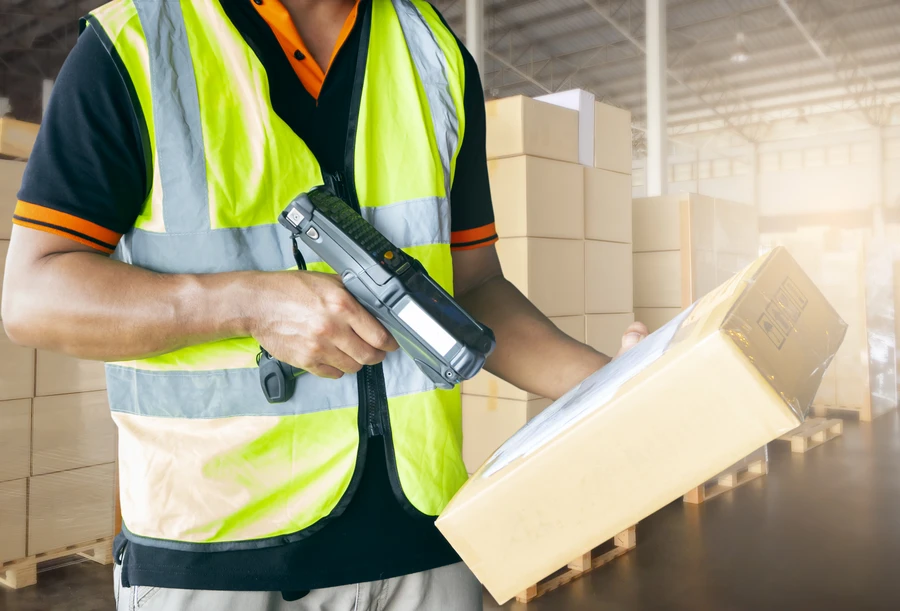
Enhancing your logistics documentation processes can significantly impact your supply chain’s success. Focus on implementing automated systems, training staff thoroughly, and adhering to industry standards. Contact Centex Transportation Final Mile LLC at (281) 960-7259 to learn more about how we can assist you in achieving excellence in logistics management. Located in Spring, TX, we provide expert support tailored to meet your specific needs.